Creating a relaxing home office environment is essential for boosting productivity, especially when working remotely or handling projects from home. A peaceful and well-organized workspace can improve focus, reduce stress, and make your workday more enjoyable. This guide offers practical tips on designing a home office that supports both comfort and efficiency.
Why a Relaxing Home Office Matters
When your workspace is cluttered or uncomfortable, it can increase stress and decrease motivation. Conversely, a calming environment helps you stay focused and energized. Designing a home office that promotes relaxation and productivity involves balancing practical needs with personal touches.
Choosing the Right Location
Assess the Space Available
Pick a spot in your home that is quiet and has minimal distractions. Ideally, this area should be away from high-traffic zones like the kitchen or living room.
Maximize Natural Light
Natural light has a positive effect on mood and alertness. Set up your desk near a window to take advantage of daylight. If this isn’t possible, use bright, adjustable artificial lighting that mimics natural light.
Ergonomic Furniture for Comfort and Health
Invest in a Good Chair
Choose an ergonomic chair that supports your back and encourages good posture. Sitting comfortably reduces fatigue and allows you to work longer with ease.
Optimize Desk Height
Ensure your desk height allows your elbows to bend at a 90-degree angle when typing. This setup reduces strain on your wrists and shoulders.
Add Adjustable Monitor Stands
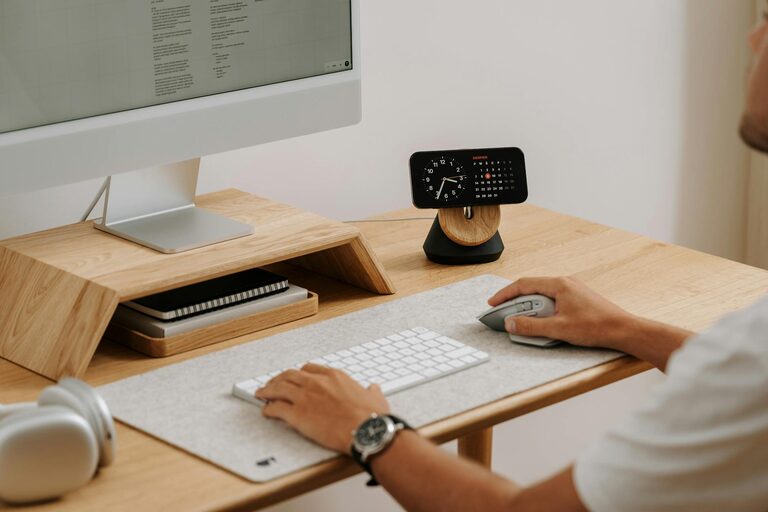
Position your computer screen at eye level to avoid neck strain. Adjustable stands or monitor arms are helpful for this purpose.
Declutter and Organize
Keep Only Essentials on Your Desk
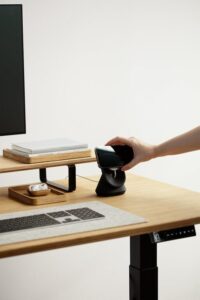
A clutter-free desk helps your mind focus. Remove unnecessary items and keep essential tools, like your computer, notepad, and pens, organized.
Use Storage Solutions
Incorporate shelves, filing cabinets, or desk organizers to store documents and supplies neatly. Label containers to quickly find what you need.
Regularly Clear and Clean Your Space
Set aside time each week to clean your desk surface and remove any clutter that accumulates.
Soothing Color Schemes and Décor
Choose Calming Colors
Soft tones such as blues, greens, and neutrals create a serene atmosphere. Avoid overly bright or distracting colors around your workspace.
Personalize with Plants and Art
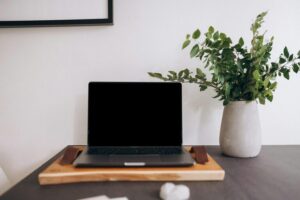
Adding indoor plants can improve air quality and bring a touch of nature indoors, which promotes relaxation. Art or photos that inspire calmness can also make your environment more inviting.
Manage Noise Levels
Use Noise-Cancelling Headphones
If background noise is an issue, noise-cancelling headphones help you concentrate by blocking distractions.
Play Soft Background Music
Some people find that gentle instrumental music or ambient sounds improve focus. Experiment to find out what works best for you.
Soundproof the Room If Possible
Adding rugs, curtains, or acoustic panels can reduce echo and outside noise.
Establish a Routine and Boundaries
Designate Work Hours
Set clear start and finish times for your workday to maintain balance and minimize burnout.
Create a Pre-Work Ritual
Begin your day with a calming activity like stretching or a short walk to mentally prepare for work.
Set Boundaries with Household Members
Politely communicate your office hours and the need for quiet during work periods.
Incorporate Break Areas and Movement
Take Regular Breaks
Step away from your desk every hour to stretch or move around. This helps reduce tension and reset your mind.
Create a Small Relaxation Spot
If space allows, have a comfortable chair or cushion nearby where you can take short mental breaks.
Use Technology Wisely
Opt for Wireless Devices
Wireless keyboards, mice, and headphones reduce cable clutter and make your space tidier.
Set up Blue Light Filters
Using blue light filters or apps can reduce eye strain during long screen sessions.
Keep Phone Notifications Minimal
Limit interruptions by silencing non-urgent alerts during focused work periods.
Conclusion
Designing a relaxing home office environment is a valuable investment in your productivity and well-being. By focusing on comfort, organization, and atmosphere, you can create a space that not only supports effective work but also promotes calm and focus. Remember to personalize your workspace to suit your needs and preferences—your ideal office is both functional and a pleasure to be in.