Creating a home office that balances comfort with productivity is essential for anyone working remotely or managing tasks from home. A cozy environment can reduce stress, while a well-organized and functional space promotes focus and efficiency. Here are practical tips to help you design a home office that feels inviting and boosts your work performance.
Choose the Right Location
Selecting the right spot for your home office is the first step to creating a productive environment.
– Natural Light: Aim to set up your workspace near a window to benefit from natural light. This can improve mood and energy levels throughout the day.
– Low Traffic Area: Pick a quiet corner or room with minimal distractions from household members or outside noise.
– Space Availability: Ensure the space fits your desk, chair, and any additional equipment you need without feeling cramped.
Invest in Comfortable Furniture
Comfort is key to maintaining focus for long periods. Consider these furniture tips:
– Ergonomic Chair: Choose a chair that supports your back and encourages good posture. Adjustable height and lumbar support are important features.
– Appropriate Desk: Select a desk that fits your work style. Standing desks or adjustable desks can offer flexibility during the day.
– Footrest or Cushions: Small additions can improve comfort and reduce strain.
Optimize Lighting
Good lighting can reduce eye strain and help keep you energized.
– Mix Lighting Sources: Combine natural light with overhead lights and a task lamp for balanced illumination.
– Avoid Glare: Position your computer screen perpendicular to windows to minimize glare, or use blinds to control brightness.
– Warm Light for Ambiance: Use warm-toned bulbs in lamps to create a cozy atmosphere during early mornings or late evenings.
Keep Your Space Organized
A tidy workspace helps clear your mind and improves efficiency.
– Declutter Regularly: Only keep essential items on your desk to avoid distractions.
– Use Storage Solutions: Shelves, drawers, and organizers keep supplies within reach but out of sight.
– Cable Management: Use cable clips or sleeves to keep wires neat and prevent tangling.
Personalize Your Workspace
Adding personal touches makes your office feel inviting and motivates you to spend time there.
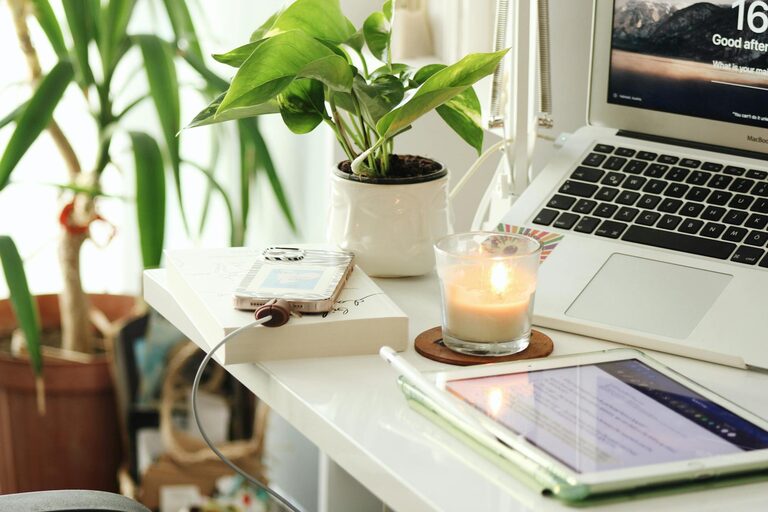
– Plants: Incorporate greenery like small potted plants or succulents to add color and freshness.
– Artwork: Hang inspiring prints or photos that make you happy and calm.
– Decorative Items: Use comforting items like candles, cozy blankets, or favorite mugs to make the space yours.
Set Boundaries and Routine
Creating a routine and setting boundaries helps maintain productivity and work-life balance.
– Set Work Hours: Define specific start and end times to separate work from leisure.
– Dedicated Workspace: Avoid working from your bed or couch to create mental separation from relaxation.
– Take Breaks: Schedule short breaks to stretch and rest your eyes, helping sustain focus.
Incorporate Technology Wisely
Technology should support your workflow, not complicate it.
– Reliable Equipment: Invest in a good-quality computer, headset, and fast internet connection.
– Use Productivity Tools: Utilize apps for task management, time tracking, or note-taking to stay organized.
– Minimize Distractions: Turn off unnecessary notifications and use focus modes when working on important tasks.
Control Temperature and Air Quality
Comfortable temperature and fresh air contribute to concentration.
– Ventilation: Keep your workspace well-ventilated. Opening a window periodically helps circulate fresh air.
– Heating and Cooling: Use a fan, heater, or air conditioner to maintain a comfortable temperature year-round.
– Air Purifiers: If needed, an air purifier can improve air quality and reduce allergens.
Sound Environment
Manage sound to maintain concentration or promote creativity.
– Noise-Canceling Headphones: These can block out distracting noises in busy households.
– Background Music: Soft instrumental music or nature sounds may enhance focus for some people.
– Soundproofing: Add rugs, curtains, or acoustic panels to reduce echo and external noise.
Final Thoughts
Creating a cozy and productive home office doesn’t have to be complicated or expensive. By thoughtfully choosing your location, investing in comfort, organizing efficiently, and personalizing your space, you can design an environment that supports your work and well-being. Small improvements can make a big difference in how enjoyable and effective your work-from-home days become. Start today by picking one or two tips and gradually build your ideal workspace!