
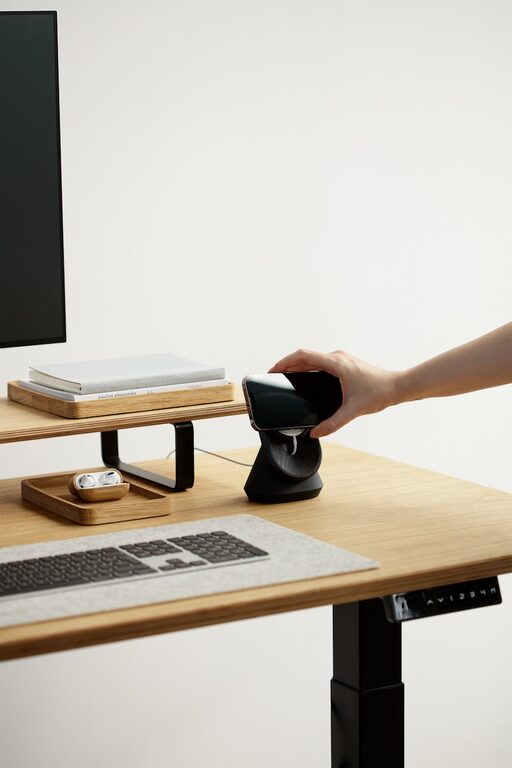
Creating a relaxing home workspace is essential for boosting productivity and maintaining focus throughout the workday. Whether you work remotely full-time or occasionally, your environment plays a significant role in how well you perform. A comfortable, inspiring, and organized workspace helps reduce stress and encourages motivation. In this post, we’ll explore practical tips to help you design a tranquil home office that keeps you productive and balanced.
Why a Relaxing Workspace Matters
Your surroundings can either support or hinder your ability to focus and accomplish tasks. A cluttered or uncomfortable area often leads to distractions and decreased efficiency. On the other hand, a calming workspace positively impacts your mood, reduces anxiety, and helps you stay organized. This, in turn, leads to better work results and a healthier work-life balance.
Choose the Right Location
Pick a Quiet Spot
Select an area in your home that minimizes noise and interruptions. If possible, choose a room with a door you can close to signal “work mode” and limit distractions.
Maximize Natural Light
Natural light is proven to improve mood and energy. Position your desk near a window to take advantage of daylight. If this isn’t an option, opt for bright, adjustable lighting that mimics natural conditions.
Invest in Comfortable and Functional Furniture
Ergonomic Chair and Desk
Comfort is key. Invest in a good ergonomic chair that supports your back and encourages good posture. Pair it with a desk at the right height to avoid strain.
Adjustable Accessories
Consider accessories like a monitor stand, keyboard tray, or footrest to tailor your setup for comfort and promote healthy body alignment.
Declutter and Organize
Keep Surfaces Clear
A neat desk promotes a calm mind. Use organizers, trays, or drawers to keep stationery, papers, and gadgets organized and off your main workspace.
Minimalist Approach
Only keep items you use daily on your desk. Extra items can be stored elsewhere to create a clean, distraction-free area.
Add Personal Touches Wisely
Incorporate Plants
Greenery has been shown to reduce stress and enhance concentration. Place a small plant or two on your desk or nearby shelf to bring nature indoors.
Calming Decor
Use artwork, colors, or objects that inspire calmness without being distracting. Soft colors like blues and greens are known for their relaxing effects.
Optimize Technology Setup
Reduce Screen Glare
Position your computer screen to avoid glare from windows or lights. This reduces eye strain and helps you stay focused longer.
Manage Cables
Use cable organizers to keep cords tidy and prevent a messy look. This makes your space feel more open and less chaotic.
Create a Routine to Signal Work Time
Consistent Start Time
Starting work at the same time daily helps your brain transition into work mode.
Use Rituals
Simple routines like making a cup of tea or tidying your desk before you begin can psychologically prepare you for a productive day.
Take Regular Breaks for Relaxation
Follow the 20-20-20 Rule
Every 20 minutes, look at something 20 feet away for 20 seconds to reduce eye strain.
Stretch and Move
Use short breaks to stand, stretch, or walk around to refresh your mind and body.
Maintain Good Air Quality and Temperature
Ventilation Matters
Keep your workspace well ventilated with fresh air to stay alert.
Comfortable Temperature
Adjust room temperature to a comfortable level – usually between 68-72°F (20-22°C) is ideal for most people.
Reduce Noise Distractions
Use Noise-Cancelling Headphones
If you can’t avoid background noise, these headphones help you focus by minimizing distractions.
Play Calm Background Music
Soft instrumental music or white noise can improve concentration for some people.
—
Creating a relaxing home workspace is about balancing comfort, organization, and personal preferences. By making thoughtful adjustments, you can design an environment that not only keeps you productive but also nurtures your well-being. Start small, experiment with what works best for you, and enjoy the positive difference it makes to your daily work life.