
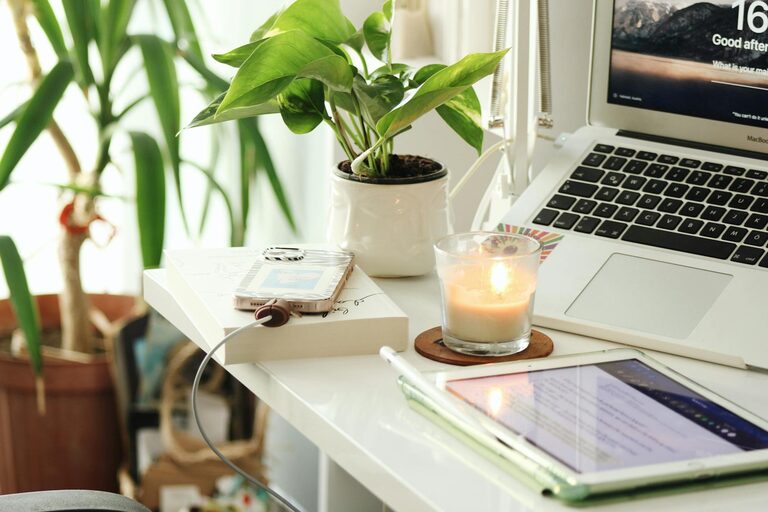
Creating a relaxing home workspace is essential for maintaining focus, reducing stress, and boosting productivity. When your workspace feels inviting and comfortable, it’s easier to stay motivated and complete tasks efficiently. Whether you’re working remotely full time or just need a dedicated spot for occasional work, these tips will help you design a peaceful environment that supports your best work.
Why a Relaxing Workspace Matters
Your environment directly affects your mindset and performance. A cluttered, noisy, or uncomfortable workspace can increase stress and distract you from important tasks. On the other hand, a thoughtfully designed workspace can improve concentration, creativity, and overall well-being.
Choosing the Right Spot at Home
Start by selecting a dedicated space where you’ll work regularly. Ideally, choose a quiet corner or room with minimal foot traffic and distractions. Natural light can boost mood and alertness, so locate your desk near a window if possible. If natural light is limited, invest in good quality task lighting.
Ergonomic Furniture: Comfort Meets Function
Your chair and desk are the foundation of a comfortable workspace. Look for an adjustable chair with good lumbar support to prevent back strain. Your desk should allow you to keep your arms at a 90-degree angle when typing. If space is tight, a compact desk or a wall-mounted workspace can work well.
Declutter and Organize
Clear your workspace of unnecessary items to create a calm atmosphere. Use organizers, shelves, or drawers to keep supplies and documents tidy. A clean desk not only looks better but also helps reduce mental clutter, making it easier to focus on your work.
Incorporate Calming Elements
Adding elements that promote relaxation can make a big difference. Consider:
– Plants: Indoor plants improve air quality and add a touch of nature, which can reduce stress.
– Soft Colors: Choose soothing colors like blues, greens, or neutrals for your walls or accessories.
– Personal Touches: A few personal items like photos or artwork can make your space feel inviting without becoming distractions.
– Aromatherapy: Pleasant scents from essential oils or candles can enhance mood and focus.
Minimize Noise Distractions
Background noise can be disruptive. Use noise-canceling headphones or play soft instrumental music to maintain focus. If external sounds are persistent, consider soundproofing options like heavy curtains or rugs to absorb noise.
Technology and Tools Setup
Keep your computer, keyboard, and mouse positioned for easy use to avoid strain. Manage cables with clips or sleeves to prevent tangling. Ensure your internet connection is stable for uninterrupted work. Having the right tools accessible reduces frustration and wasted time.
Take Breaks and Move
Even in a relaxing workspace, it’s important to take regular breaks. Stand up, stretch, or walk around every hour to reduce physical fatigue. Incorporate reminders or use apps to encourage breaks which help maintain productivity throughout the day.
Customize Your Lighting
Good lighting reduces eye strain and improves alertness. Combine ambient lighting with a desk lamp providing focused, adjustable light. Avoid harsh fluorescent bulbs; softer LEDs or natural light are better choices.
Keep Hydrated and Nourished
Place a water bottle nearby to remind yourself to stay hydrated. Healthy snacks within reach support sustained energy without the need to leave your workspace frequently.
Create a Workflow System
Organize your tasks with planners, apps, or a simple to-do list. A clear plan for the day reduces anxiety and keeps you on track. Prioritize your most important tasks during your peak focus times.
Refresh Your Space Regularly
Every few weeks, take a few minutes to tidy, reorganize, and adjust your workspace. Changing the arrangement or adding new elements can help keep the environment feeling fresh and motivating.
—
A relaxing home workspace is about combining comfort, organization, and a few personal touches to create a place where you can focus comfortably and efficiently. By implementing these tips, you’ll build an environment that supports your productivity and well-being. Happy working!